
What is osteopathy?
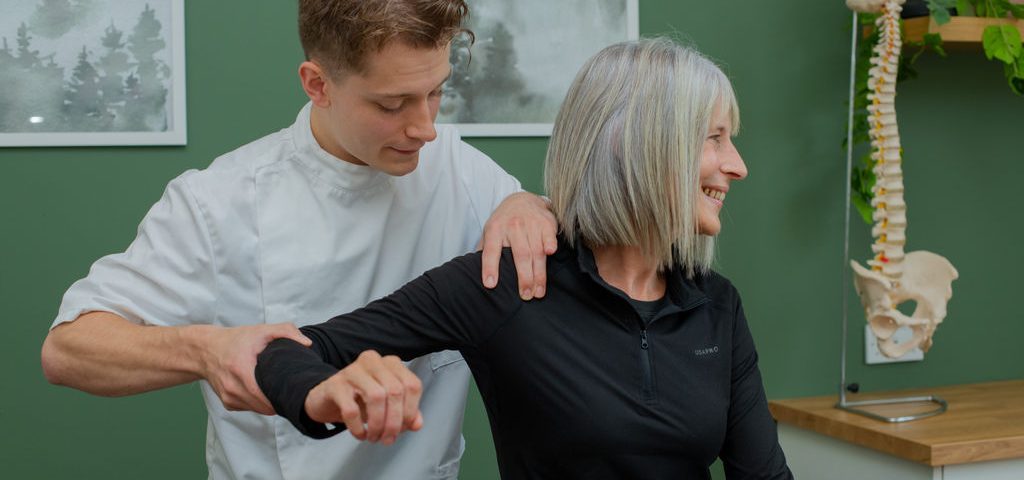
Osteopathy is a hands-on, drug-free system of diagnosis and treatment of the whole body. Osteopaths look at the relationship between how well your body could be functioning with how well it is functioning.
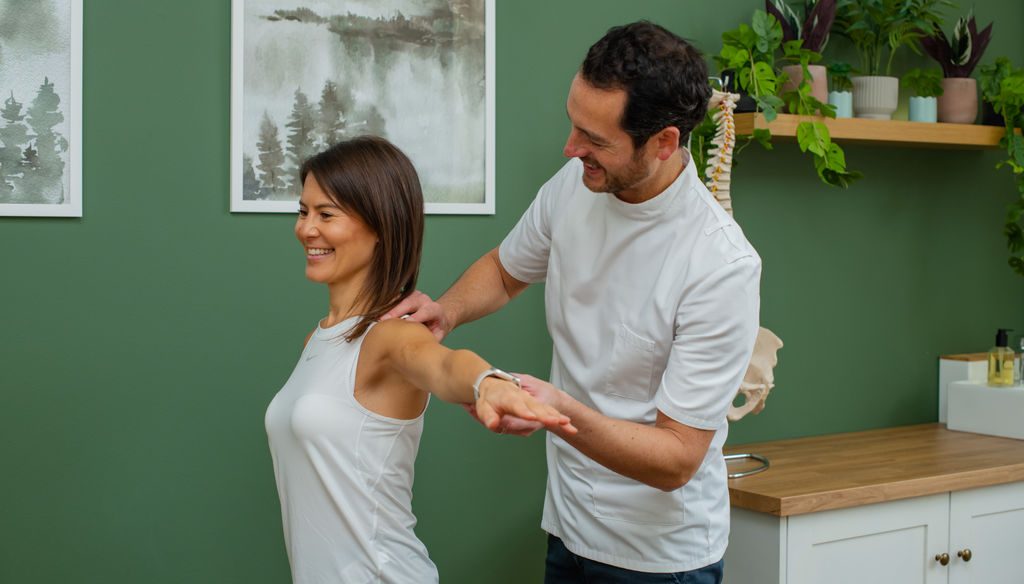
This all starts with your osteopath taking a detailed case history. Our osteopaths spend time listening to you, and connecting not just where it hurts with why, but also with you and your context. We then examine you to assess your posture, how you move and function as well as performing clinical tests to clarify our diagnosis.
Once we know why you are in pain, we can determine what we can do to help you move and feel better so that you can get back to a happier, easier life.
Helping you understand what we’ve found, why you’re in pain and what you can do to assist your recovery is an important part of the process too.
Treatment involves focused bodywork using an array of soft tissue and mobilisation techniques to optimise the way you move and the way your whole body works. We can give advice on lifestyle, exercise and workstation set up to facilitate your return to normal as fast as possible.
What can osteopathy treat?
Osteopathy can be used to treat a wide range of conditions including:
- Back pain and neck pain
- Sciatica and trapped nerves
- Joint pain and arthritis
- Muscle and tendon injuries
- Plantar fasciitis
- Headaches and jaw issues
- Sports injuries
- Postural problems
- Pain experienced during pregnancy or as a result of childbirth
To learn more about our osteopaths, please call reception on 01423 797800 or click here to book online.
How do I prepare for my first appointment?
Please wear loose, comfortable clothing that you would exercise in as your appointment is likely to be an active session, with the osteopath taking you through a range of movements to assess muscle and joint function and possibly take baseline measurements. If you have undergone any imaging, such as X-rays or MRI scans, it is helpful if you are able to bring the radiologist’s reports of these scans. These can be requested from your GP’s surgery if these were carried out by the NHS.
What to expect?
On your first appointment, a detailed medical history will be taken to help us gain a full understanding of your health issues and treatment goals. Your osteopath will then carry out an examination, looking at your posture, mobility, strength and if relevant, other special diagnostic tests such as neurological or cardiovascular assessments. The medical history and examination allow the osteopath to form a diagnosis and treatment plan tailored to your specific needs. Management involves an explanation of the diagnosis and a discussion about prognosis. Following this, we usually start with hands-on treatment, advice about lifestyle (such as workstation setup) and rehab exercise prescription. On occasion the osteopath may refer you for further diagnostic tests such as X-rays, MRI scans or blood screens, either through your GP on the NHS or privately.
Will I need to undress in order to have treatment?
We advise you wear loose-fitting clothing, for example clothes you might exercise in. At times you may be asked to momentarily remove items of clothing for the examination, but treatment usually takes place with you fully clothed. Your comfort and modesty is very important to us, so please let us know if you have any concerns.
How many sessions will I need?
The number of sessions will vary, depending on the nature, severity, and longevity of your condition. Our osteopaths will always try and provide an initial estimate, but adjustments may be made based on your progress. Most patients experience improvement within a few sessions, while others might take longer. Consistency with exercises and following the treatment plan is crucial for optimal results.
Will the osteopath provide me with exercises to do at home?
Yes. As part of your treatment plan your osteopath will often prescribe you with some rehab exercises to be done at home, without the need to go to a gym or have access to specialised equipment. These will be sent to you via email (or printed if you prefer), with clear instructions to follow.
Is osteopathy suitable for all ages?
Osteopathy is suitable for individuals of all ages, including children and the elderly.
Can I have osteopathic treatment if I'm pregnant?
Yes, you can safely see an osteopath at any stage of your pregnancy. Osteopaths are trained to work with pregnant women and can provide treatment and advice to help alleviate pain and discomfort and promote overall well-being during pregnancy. Osteopaths routinely support pregnant patients with various issues related to pregnancy, such as back pain, pelvic pain, sciatica and postural changes.
Can I see an osteopath if I have osteoporosis?
Yes, you can. Our osteopaths will take a full case history to understand how best to treat you. Treatment is always tailored to each patient. Treatment for patients with osteoporosis and osteopenia is always gentle, avoiding any high-velocity manipulation.
Osteopaths commonly identify when patients may have undiagnosed osteoporosis or osteopenia and will refer on to the GP so that patients can have the appropriate diagnostic tests and relevant treatment.
What is the difference between osteopathy, physiotherapy and chiropractic?
Chiropractors, physiotherapists and osteopaths must complete a 3 or 4-year degree with clinical training and must be registered with their regulatory bodies. All three professions help people with pain, stiffness and movement problems, but they do so in slightly different ways.
- Chiropractors focus primarily on the spine and its effect on the nervous system. They often use specific spinal adjustments or manipulations to improve alignment, reduce nerve irritation and help the body function more effectively.
- Physiotherapists aim to restore movement and strength after injury, surgery or illness. Their treatments usually include exercise programmes, stretches, soft tissue work and education to help prevent problems from recurring.
- Osteopaths take a whole-body approach, considering how the bones, muscles and joints work together and how this affects circulation and overall health. Treatment often involves gentle joint and soft tissue techniques, stretching, and advice on posture and lifestyle to support balance and long-term wellbeing.
Is osteopathy safe?
Osteopathy is a very safe treatment modality. There are some occasional, moderate side-effects following treatment including fatigue, short-term discomfort or stiffness. Serious complications are extremely rare, with a study published in the British Medical Journal estimating serious complications such as muscles weakness and nerve damage being less than 1 in 1,000,000 following neck manipulation. A separate medical review reported that spinal manipulation was safer than non-steroidal anti-inflammatory drugs (i.e. ibuprofen, naproxen and Nurofen). This is reflected in the low cost of professional indemnity insurance for osteopaths.
Is osteopathy painful?
Our osteopaths aim to provide a comfortable treatment. At times, there may be some mild discomfort during certain parts of the treatment or a short-term ache after treatment. Our osteopaths will always communicate with you to ensure your comfort and safety. If you have any concerns, we advise you to contact us for advice.
Is osteopathy covered by health insurance?
We are registered with all health insurance companies (including Aviva, AXA Health, Simply Health, WPA and Vitality), except BUPA, to provide osteopathy for their members. It's important to check with your insurance provider to understand what is covered by your policy and if any referrals are required.
Is there research to support osteopathy?
There is a building body of evidence supporting the work that osteopaths do. This is reflected in NICE guidelines including osteopathy, and NHS Musculoskeletal Guidelines referring regularly to osteopaths.


 Trustindex verifies that the original source of the review is Google.
 Trustindex verifies that the original source of the review is Google.
 Trustindex verifies that the original source of the review is Google.
 Trustindex verifies that the original source of the review is Google.
 Trustindex verifies that the original source of the review is Google.
 Trustindex verifies that the original source of the review is Google.
 Trustindex verifies that the original source of the review is Google.
 Trustindex verifies that the original source of the review is Google.
 Trustindex verifies that the original source of the review is Google.
 Trustindex verifies that the original source of the review is Google.
Contact Us
Opening Hours
| Mon | 8am-8:30pm |
| Tue | 9am-6pm |
| Wed | 9am-6pm |
| Thu | 8am-7pm |
| Fri | 8am-6pm |
| Sat | 9am-1pm |
| Sun | Closed |